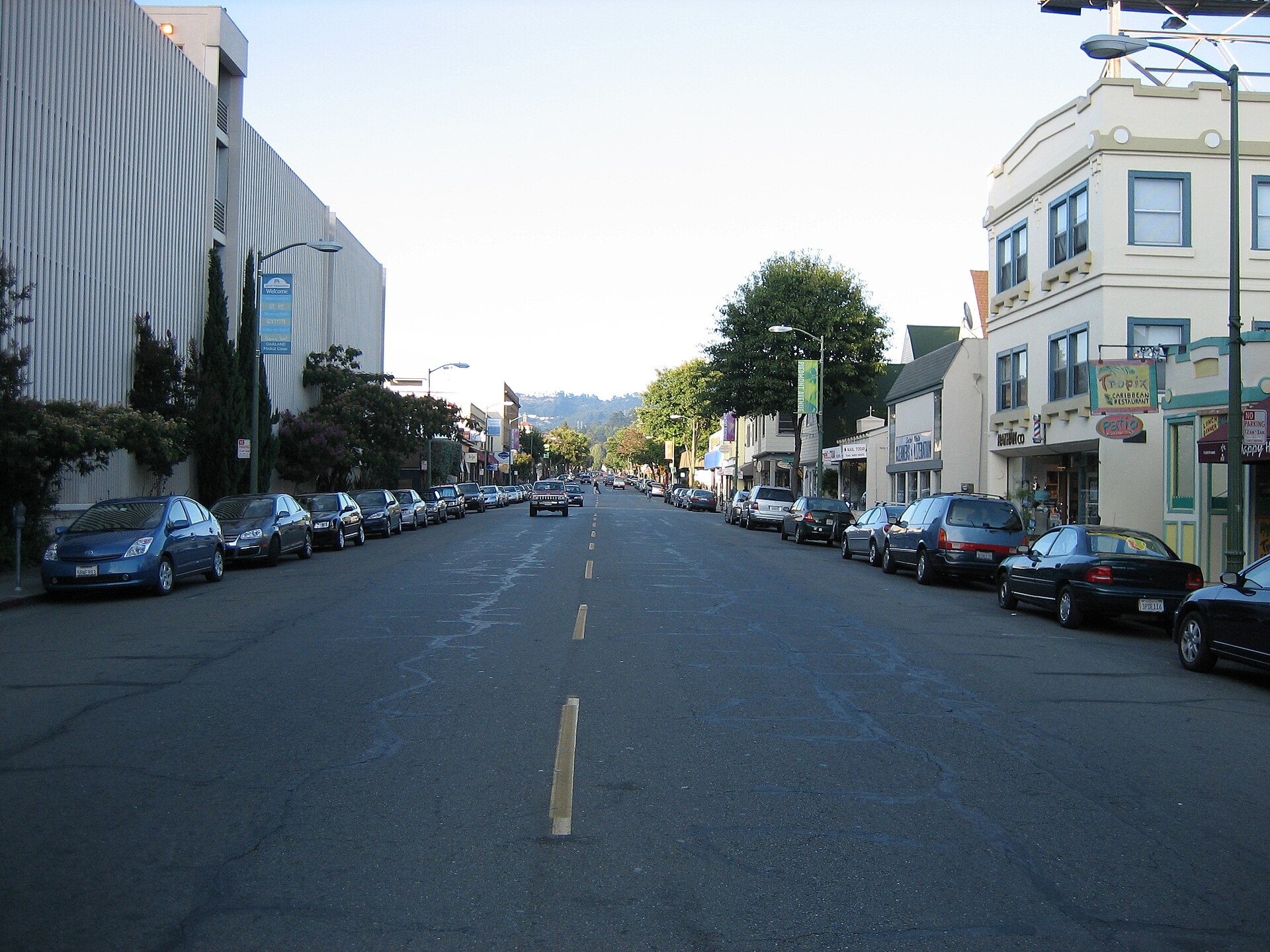
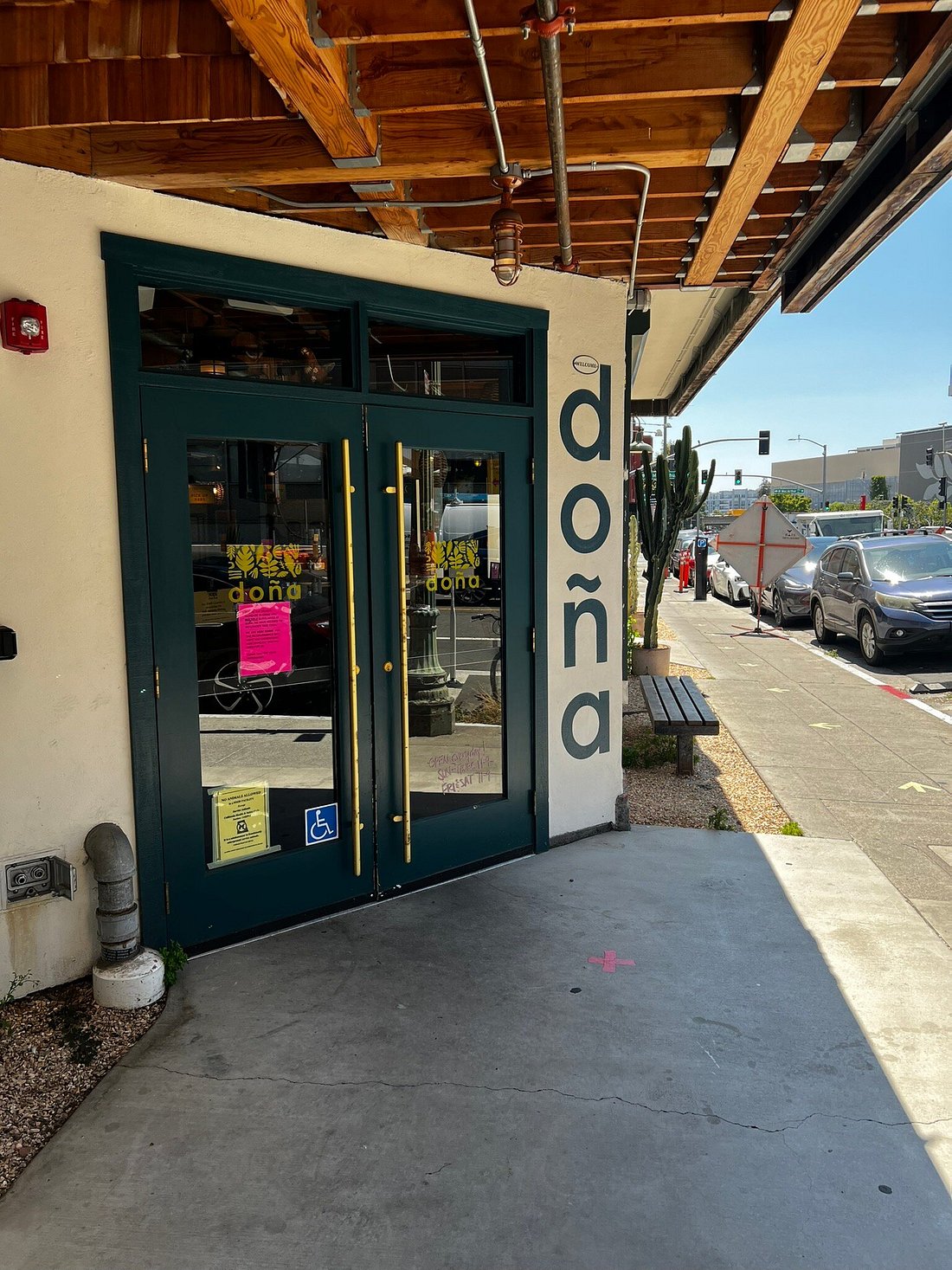
Oakland, CA · Piedmont Avenue · Mexican restaurant · Founded 2019
Doña
Interviewed 2026
History
Dona Savitsky opened her first restaurant, Doña Tomás, in 1999 when she was 29. She and her business partner were both cooks and had talked for years about wanting to have a place of their own. They had spent time working for other people and learning through different positions in restaurants. Mexican food felt like “a natural kind of direction food-wise to go in” because they had both developed an interest in it for different reasons. Her business partner was Mexican American and had grown up eating food his grandmother made, while Dona had been cooking Mexican food professionally in San Francisco. Eventually, they started looking for spaces and “kind of went for it.”
Dona remembers 1999 as a particular moment when a lot of young people were starting to open restaurants. There were empty storefronts and rent was low, so “you could actually be a young person with no money and like open a business.” Dona and her partner did not really know what they were doing. They borrowed money from friends, got credit cards, and did much of the work themselves.
When Doña Tomás opened, it was busy. Dona remembers people being excited about the food they were serving. They were doing Mexican food on a more high-end level, with dishes like whole roasted fish and mole from Oaxaca that customers were not as accustomed to seeing. “It was really exciting,” Dona said. “It was definitely like a challenge, but yeah, it was great.”
The neighborhood around Telegraph and 51st was also very different then. Dona remembers only a handful of other businesses nearby, and the area was not yet a destination for eating, drinking, and going out. When people called to make reservations, they sometimes asked whether it was safe to park there. Dona remembers thinking, “I don’t know, we like live and work here, I guess.” Over the years, she watched the area go through different periods and eventually become a destination. “The area I first opened up was not a destination spot like it is now,” she said. “So yeah, we kind of spearheaded that.”
Dona stayed at Doña Tomás for 20 years. Although she was a chef by profession, she moved to the front of the house because both owners were chefs and one of them needed to run the front. Eventually, the partnership ended and the restaurant stayed hers. In 2019, Dona closed Doña Tomás and moved to the current location, where she opened Doña.
At first, Dona did not want another restaurant. The landlords of another restaurant she owned also owned the building on Piedmont Avenue and asked her to take over the space. Her first answer was, “Oh no, I don’t want another restaurant. I’m done.” She agreed to look at it and told them she might take it if they divided the building into three spaces. She loved how open and light the building was, and she liked being near Kaiser Hospital and in a shopping and business district with foot traffic and daytime business.
With the move came a change in the restaurant itself. Doña Tomás had been more like fine dining and full service. Dona wanted Doña to be casual, somewhere “you could like eat a little bit or a lot or have a nice meal or have cocktails or not, or just come here with your kids or whatever.” She wanted the new restaurant to be more modular.
Only a few months after the move, the pandemic hit.
About the Interviewee
Dona Savitsky is a chef by profession and has owned restaurants since she was 29. She started cooking when she was 22 and has now spent more than three decades in the restaurant business. Today, she owns Doña by herself, without any business partners.
For Dona, the restaurant is not separate from the rest of her life. When asked what the business means to her personally, her first answer was simply, “It’s my life.” She has always had a passion for food and service, and food remains especially important to her because she is a chef.
She has also worked with some of the same people for around 20 years. “We’re getting old together,” she said. “We were like in our 20s and now we’re like in our 50s.” Dona is hesitant to call the staff a family because, as she points out, it is still a business. Instead, she thinks of it as a team made up of people with whom she has built long relationships.
For her, “the greatest joy” is having a place for people to go that looks good and feels good, where the people who work there are happy. She feels fortunate that she has been able to do that for so long.
After so many years in restaurants, Dona admits that she sometimes gets bored. What has kept her interested is being able to change things. At different points in her career, she has rebranded, moved, or done something different with a business. Moving from Telegraph Avenue to Piedmont Avenue was “a huge challenge,” but it also reinvigorated her. It gave her confidence that she could change what she was doing, take “a really big risk,” and have it go well.
Community
Some of Doña’s support comes from people who have been part of the restaurant for years. Dona points to having great staff and customers who love the restaurant and “have been coming here forever” as a big part of what has allowed the business to continue.
She also sees independent businesses as an important part of what makes a place interesting. “We don’t want only the big box stores to survive,” she said. For Dona, supporting small businesses sometimes means choosing them even when they cost a little more. That could mean a restaurant like Doña, but it could also mean someone selling something on the corner or a taco truck rather than a larger business.
She does not think that responsibility should necessarily fall on students who do not yet have much money. Instead, she hopes that as young people “get into the world,” they carry that mindset with them.
Dona also thinks working in a restaurant changes how people understand the people serving them. “I think every person should work in a restaurant before they go out in the world,” she said, because working in service and hospitality teaches people how to treat others when they are on the other side of that interaction.
For Dona, keeping independent restaurants around requires people willing to open them, but also customers willing to support them. After starting Doña Tomás as a 29-year-old chef with borrowed money and credit cards, then spending 20 years there before taking another risk and starting Doña, she still wants the next generation to create places of their own. “We want like interesting small businesses.”
Economy and Changes Over Time
Dona has watched the economics of running a restaurant in the Bay Area change considerably since she first opened Doña Tomás. In 1999, rent was low enough that, in her words, “you could actually be a young person with no money and like open a business.” Today, when asked about the biggest challenge of owning a business in the Bay Area, her answer is straightforward: “The cost. It’s terrible.”
“It’s expensive now. It wasn’t when I first started out,” she said. Labor costs have risen, along with insurance and the other costs connected to running the restaurant. One result is that Doña has to keep raising menu prices. Customers sometimes push back because they look at something like beans and rice and think the ingredients should not cost very much. But Dona points out that Doña uses organic ingredients, and that the food itself is only one part of what a customer is paying for. “You’re not just paying for what’s on your plate, you’re paying for the person who cooked it, who prepped it, who delivered it.” There are also insurance costs and everything else involved in keeping the restaurant running.
Dona sees the effect of the Bay Area’s high cost of living in the lives of her employees as well. Many of the people who work for her have two jobs or more. They may work all day, have just enough time to get to their next job, work all night, and then start over the next day. “No matter how much, I can’t pay them enough for them to have one job,” Dona said. Even if she could pay more, she does not think it would necessarily be enough because of how expensive it is to live in the Bay Area. She feels a lot of compassion for employees who have to spend so much of their lives working and still struggle to make ends meet.
The business has also gone through larger economic disruptions. Dona remembers the downturn around 2008, but Doña Tomás remained okay because people still wanted to go out, drink, and eat good food. The pandemic was much more disruptive, especially because Doña had only recently opened in its new location.
After the pandemic began, the restaurant closed for around six to eight weeks. Dona knew she needed income and did not know what would happen if they stayed closed. So they put the POS machine by a window and started handing food out the door in bags.
Rather than shrinking, Dona said her business “grew more than it ever has during the pandemic.” She felt “really lucky” and found it gratifying that the restaurant was able to do that during such an uncertain time.
Another change Dona has had to navigate is the effect of online reviews. She knows a restaurant will never make everyone happy, but she wishes customers would contact restaurants directly when something goes wrong rather than immediately putting a complaint on a public forum. For an established business like hers, one bad review may not make much difference, but she worries about what it can do to a smaller business that is not as financially secure.
“Because these people are working really hard,” Dona said. If a restaurant fails, the effects reach the staff as well as the owner. She would rather have someone tell her what went wrong and give the restaurant a chance to fix it. “I want to make people happy. That’s like what I do. So let me have a chance to do that.”
After so many years in the business, Dona still wants new people to enter it. She likes talking to young people about starting businesses, especially restaurants, because “we need, like, young people to be in the restaurant business.” She wants talented people coming up with new ideas and opening places because, as she put it, “we don’t want like everything to be a Chipotle or like a Target or whatever. We want like interesting small businesses.” Her advice is to be realistic about what you are doing and try not to get into too much debt right away.
A MOVE TO PIEDMONT AVENUE